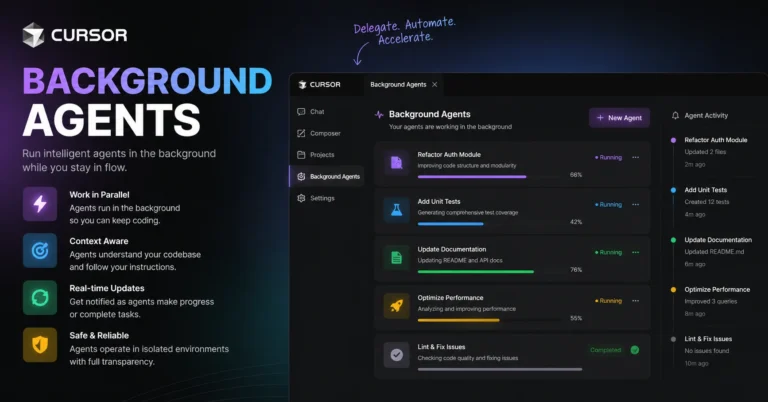
If you’ve been following the tech world lately, you’ve probably noticed the shift in language. We aren’t just talking about “chatting” with AI anymore; we are talking about AI doing.
In my decade of tracking search algorithms and digital transformation, I’ve seen plenty of hype cycles—from the early days of mobile-first to the “year of the voice search” that never quite fully arrived. But what is happening in agentic AI news today feels fundamentally different. It’s not just an incremental update; it’s a total re-architecture of how we use computers.
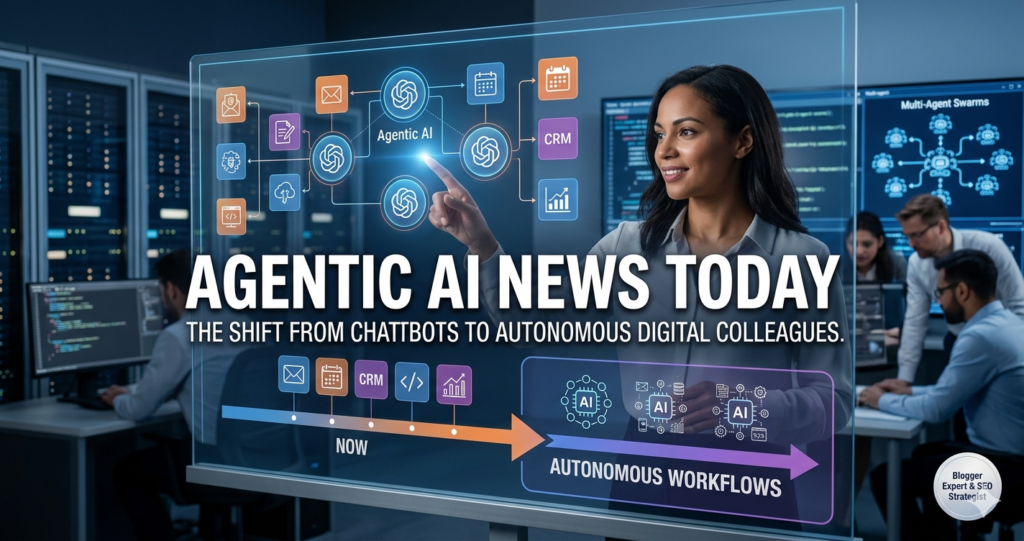
Today, we are moving beyond the era of the “reactive chatbot” (where you ask, and it answers) into the era of the “proactive agent” (where you set a goal, and it executes). Whether you’re a business owner looking to automate complex workflows or a tech enthusiast trying to keep up with the breakneck speed of May 2026, this is the shift that matters.
In this deep dive, I’m going to break down the latest breakthroughs, show you how these agents are actually being used in the wild, and give you a roadmap to implementing them without the usual “early adopter” headaches.
What Exactly is Agentic AI? (Explained Simply)
Let’s skip the jargon for a second. If a traditional AI (like the early versions of ChatGPT) is a brilliant librarian who can find any fact or write any poem, then Agentic AI is a highly capable chief of staff.
The difference lies in agency.
Standard AI waits for your prompt, gives you a response, and then sits there. Agentic AI, however, has the ability to use tools, browse the web, access your files, and most importantly, reason through a multi-step plan to achieve a goal.
The “Travel Agent” Analogy
Think about booking a vacation.
- Standard AI: You ask, “What are some good hotels in Tokyo?” and it gives you a list. You still have to go to the sites, check the dates, and book it yourself.
- Agentic AI: You say, “Book me a 5-day trip to Tokyo next month under $3,000, ensuring I have a gym in the hotel and a window seat on the flight.” The agent checks your calendar, compares prices, navigates the booking sites, handles the transaction, and adds the confirmation to your calendar.
Why It’s Dominating the News in 2026
We are seeing a massive convergence of three things:
- Reasoning Models: Models like OpenAI’s GPT-5.5 and Anthropic’s “Mythos” now have the “thinking time” required to verify their own work before they act.
- Tool Use (MCP): The industry has standardized how AI talks to software via the Model Context Protocol (MCP), making it easier for agents to “click buttons” in your CRM or email.
- Governance: We finally have “Guardian Agents”—AI that watches other AI to make sure they don’t go rogue or overspend.
The Biggest Agentic AI News Today: May 2026 Update
If you’re looking for the “right now” of agentic AI, the headlines are buzzing with three major themes: the “Mother Test,” the move to hardware, and the $100 billion infrastructure bets.
1. Zuckerberg’s “Mother Test” and the Push for Simplicity
Earlier this week, Meta CEO Mark Zuckerberg made waves by critiquing the current state of “complex” agents. He argued that many systems—specifically pointing to some of the more technical “open” frameworks—fail the “Mother Test.”
Essentially, if your mom can’t use it to organize a family reunion without opening a terminal window, it’s not ready for the masses. This has sparked a race among the Big 5 (Google, Microsoft, OpenAI, Meta, Amazon) to create “Natural Agency”—where you don’t even know you’re using an agent; it just feels like your phone is getting smarter.
2. The Era of the “Agentic Smartphone”
Rumors (and analyst reports from Ming-Chi Kuo) are heating up about OpenAI’s collaboration with Jony Ive to build an AI-first device. Unlike your current iPhone or Android, which are “app-centric,” these new devices are “goal-centric.”
Instead of opening the Uber app, you just tell the device, “Get me home,” and it handles the rest. Google’s Pixel 10 Pro and Samsung’s Galaxy S26 are already shipping with dedicated chips meant to run these agents locally, ensuring your data doesn’t always have to go to the cloud.
3. Enterprise “Swarms” Go Mainstream
According to recent Gartner reports, nearly 40% of enterprise applications now have task-specific agents embedded in them. We aren’t just seeing one agent anymore; we are seeing “Multi-Agent Swarms.” For example, a “Marketing Swarm” might consist of one agent that writes copy, another that generates images, and a third that monitors the budget—all working together autonomously.
Real-World Benefits and Use Cases
As someone who has integrated these agents into my own SEO and content workflows, the benefits aren’t just “cool”—they are measurable in hours saved and revenue generated.
Who is this for?
- Solopreneurs: Use agents to act as a customer support team, a social media manager, and a bookkeeper.
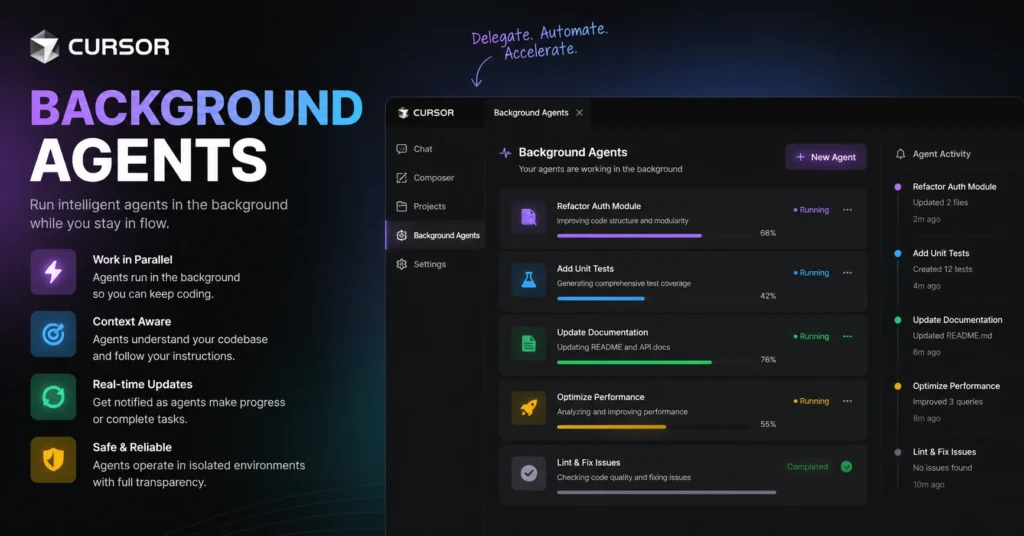
- Developers: Tools like “Claude Code” are now capable of writing, testing, and deploying entire software features while the dev sleeps.
- Enterprises: Companies are using agents to handle “messy” back-office work—like matching 10,000 invoices to shipping manifests.
Who should wait?
If your work requires high-stakes emotional nuance or physical safety (like heavy machinery operation), agentic AI still needs “human-in-the-loop” oversight. We aren’t at the “set it and forget it” stage for everything just yet.
Step-by-Step: How to Build Your First Agentic Workflow
You don’t need a PhD to start using agentic AI today. Here is the process I use when I’m setting up a new autonomous workflow for a client.
Step 1: Define the “Narrow” Goal
Don’t ask an agent to “run my business.” It will fail. Instead, ask it to “monitor my inbox for partnership inquiries and draft a response based on my calendar availability.”
Step 2: Choose Your “Harness”
In 2026, we talk about the harness—the environment where the agent lives.
- Low-Code: Use platforms like Zapier Central or Google Vertex AI.
- Pro-Code: Use frameworks like LangChain or AutoGPT if you want to customize the “thinking” logic.
Step 3: Give it “Eyes and Ears” (Tool Access)
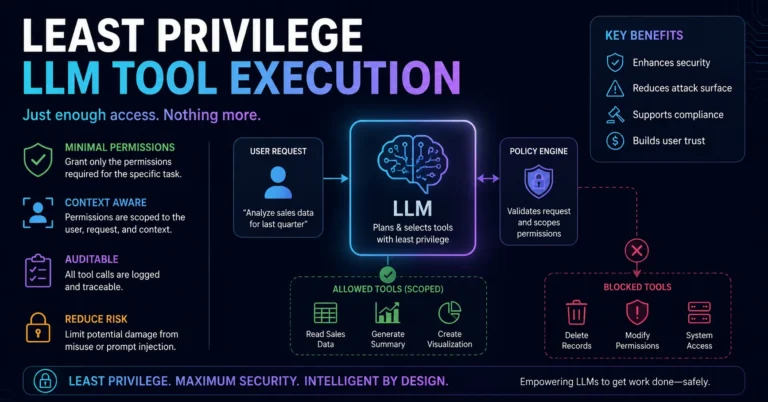
Connect your agent to the tools it needs. If it’s a sales agent, connect it to your LinkedIn and your CRM. Ensure you use Granular Permissions—never give an agent full “Admin” access to your bank account or main server.
Step 4: Set the Guardrails
This is the most skipped step. You must give the agent a “negative prompt.”
- Example: “Do NOT send the email if the price is lower than $500. Instead, flag it for my review.”
Step 5: The “Trial Run” (Shadow Mode)
Run the agent in “Shadow Mode” for 48 hours. Let it generate the drafts or the plans, but don’t let it execute until you’ve verified its reasoning.
Tools & Recommendations: The 2026 Leaderboard
Based on my hands-on testing, here is how the current landscape shakes out:
| Tool / Platform | Best For | Pros | Cons |
| OpenAI “Operator” | Personal Productivity | Incredible reasoning; “sees” your screen. | Can be expensive; privacy concerns. |
| Claude Code | Software Engineering | High coding accuracy; minimal hallucinations. | Strictly for technical workflows. |
| Google Agent Builder | Enterprise Data | Plugs directly into your Google Drive/Cloud. | Can feel “locked in” to the Google ecosystem. |
| Microsoft Copilot Studio | Corporate Teams | Best for Excel/Teams integration. | Higher learning curve for non-IT staff. |
My Professional Recommendation
If you are just starting, look into no-code agentic platforms. They allow you to build “Agentic Playbooks” (step-by-step instructions for the AI) without writing a single line of Python. It’s the fastest way to see an ROI.
Common Mistakes (And How to Fix Them)
Even the pros trip up when the tech is moving this fast. Here’s what to avoid:
- The “Infinite Loop” Mistake: An agent gets stuck trying to solve a problem and burns through $50 of API credits in an hour.
- Fix: Always set a max iteration limit (e.g., “If you can’t solve this in 5 steps, stop and ask me”).
- Over-complicating the Prompt: People try to write 10-page instructions.
- Fix: Use Modular Instructions. Give the agent one clear role and a set of “If/Then” rules.
- Ignoring the “Context Window”: Giving the agent too much irrelevant data makes it “forget” the original goal.
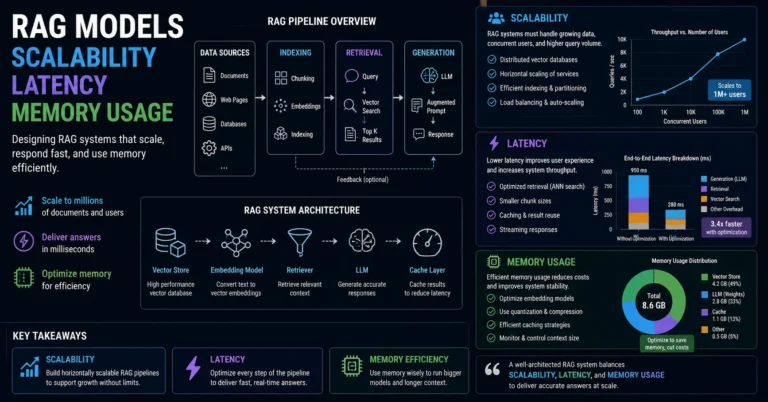
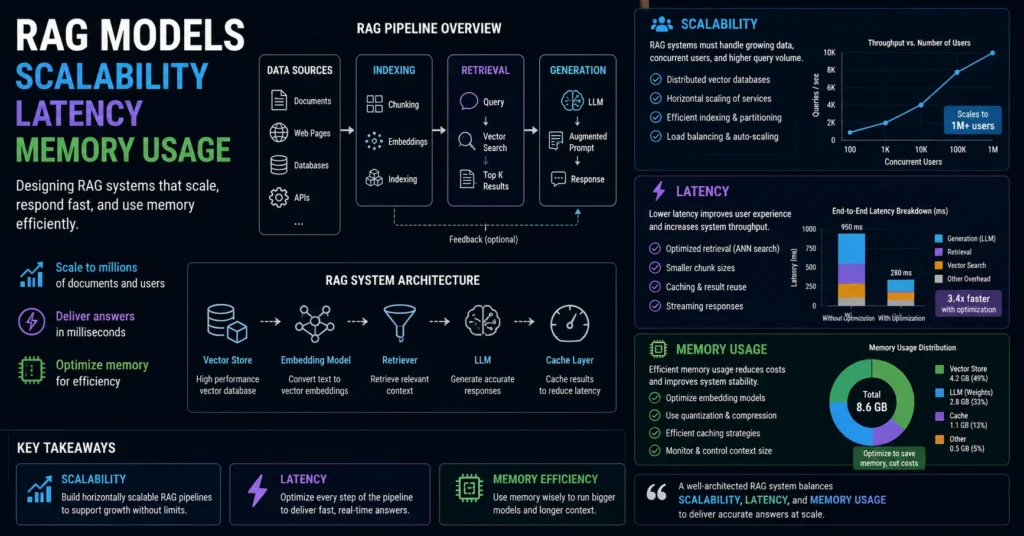
- Fix: Use RAG (Retrieval-Augmented Generation) so the agent only looks at the data it needs for the specific task at hand.
Final Thoughts
The agentic AI news today isn’t about robots taking over; it’s about humans finally being freed from the “robotic” parts of their jobs. We are moving toward a world where your computer understands your intent, not just your keywords.
As a seasoned strategist, my advice is simple: Start small, but start now. Pick one repetitive task—scheduling, data entry, or research—and try to “agentize” it. The learning curve is shorter than you think, and the competitive advantage is massive.
What’s your biggest hesitation with letting an AI agent handle your tasks? Drop a comment below—I’d love to hear your thoughts and help you troubleshoot your first build!
Frequently Asked Questions (FAQs)
What is the difference between AI and Agentic AI?
Traditional AI is reactive and provides information based on a prompt. Agentic AI is proactive; it can plan, use external tools, and execute multi-step tasks autonomously to reach a specific goal.
Is Agentic AI safe for businesses to use in 2026?
Yes, provided you implement “Guardian Agents” and “Human-in-the-loop” checkpoints. Most enterprise-grade agentic platforms now include built-in governance to prevent unauthorized actions or data leaks.
Do I need to know how to code to use AI agents?
No. While developers have more control, 2026 has seen a boom in “No-Code Agentic Builders” from companies like Google, Microsoft, and various startups that use natural language to “program” the agent.
How much does it cost to run an AI agent?
Costs vary based on the complexity of the task and the “thinking time” required. Simple agents may cost pennies, while complex enterprise agents that process massive amounts of data can cost hundreds of dollars a month in API tokens.
Will Agentic AI replace my job?
It is more likely to change your job description. Most experts agree that agents will handle “drudge work,” allowing humans to focus on strategy, creativity, and high-level decision-making. The person who knows how to manage the agents will be the most valuable in the room.

Elara Voss is a technology writer and immersive systems researcher at Argos.Vu, exploring the intersection of AI, virtual reality, and spatial computing. Her work focuses on how emerging technologies reshape the way we perceive, interact with, and understand information in the real world.
She writes about cutting-edge innovations, digital environments, and the future of human–technology interaction—translating complex ideas into engaging, forward-thinking insights.